The Role of Wholesale Prices in the Used Car Market
Defining Wholesale Prices for Used Cars
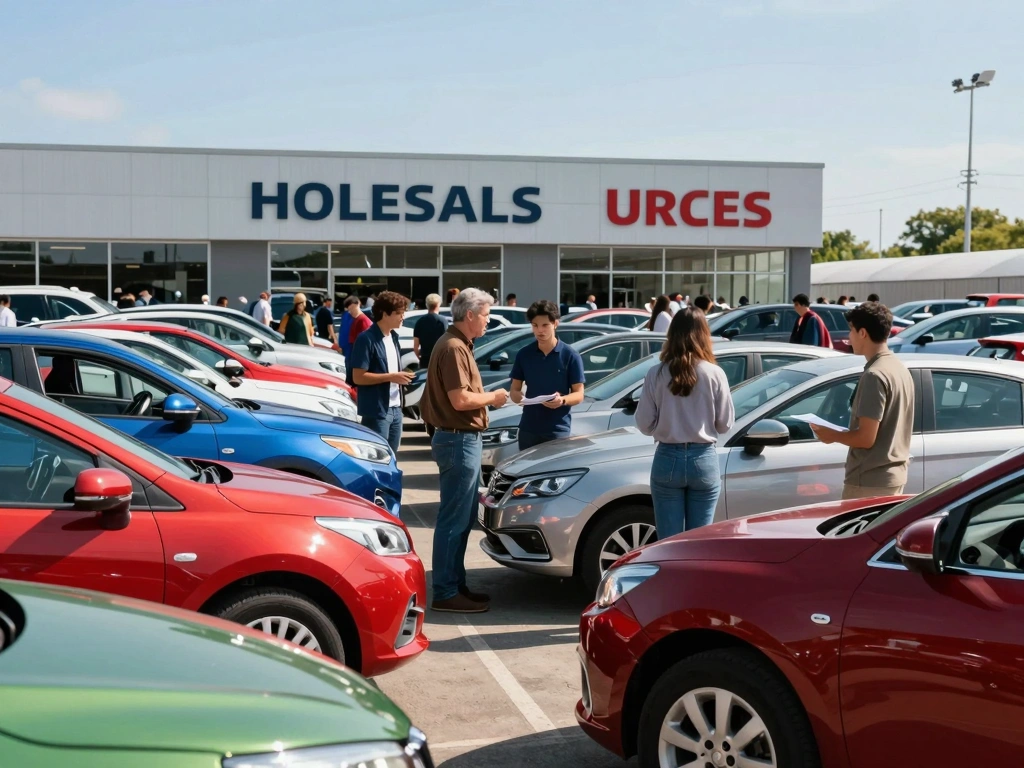
Wholesale prices in the used car market refer to the cost at which vehicles are sold by one dealer to another, typically at auctions or through direct transactions. These prices are crucial as they serve as the foundational costs that retail dealers consider when setting their selling prices. For instance, if a dealer purchases a vehicle at a wholesale price of $15,000, this amount becomes a baseline from which they will establish their retail price.
How Wholesale Prices Are Determined
Wholesale prices are influenced by various factors, including the vehicle's age, mileage, condition, and market demand. The wholesale price can be assessed through several metrics, such as:
- Market Comparisons: Dealers often compare similar vehicles in their area to gauge appropriate pricing.
- Condition Reports: The vehicle's condition, including any required repairs or maintenance, can decrease its wholesale value.
- Historical Sales Data: Dealers may analyze previous sales trends to predict current wholesale prices.
For example, a 2019 Honda Accord with moderate mileage and in good condition might have a wholesale price of around $20,000 based on current market comparisons and sales data.
The Impact of Market Trends on Wholesale Pricing
Market trends play a significant role in determining wholesale pricing. For instance, during economic downturns, the demand for used cars tends to increase as consumers look for more affordable options. This surge in demand can drive up wholesale prices as dealers compete for limited inventory. Conversely, if new car sales increase, the supply of used cars may rise, leading to a decrease in wholesale prices.
Additionally, external factors like fuel prices, interest rates, and economic indicators can influence consumer behavior and, consequently, wholesale prices. For example, a spike in fuel prices may lead to a higher demand for fuel-efficient vehicles, affecting their wholesale values positively.
Retail Markup Strategies Based on Wholesale Costs
Understanding Retail Markup Calculations
Retail markup is the difference between the wholesale price a dealer pays for a vehicle and the selling price to consumers. It is calculated as follows:
Retail Price = Wholesale Price + (Wholesale Price x Markup Percentage)
For example, if a dealer buys a used Ford F-150 for $25,000 and applies a markup of 15%, the retail price would be:
Retail Price = $25,000 + ($25,000 x 0.15) = $28,750
This formula illustrates how wholesale prices directly influence retail pricing strategies, allowing dealers to establish profitability while remaining competitive in the market.
The Relationship Between Wholesale and Retail Prices
The relationship between wholesale and retail prices is often a reflection of market dynamics. When wholesale prices rise, retailers may increase their markups to maintain profit margins. For instance, if the wholesale price of a used Toyota Camry jumps from $18,000 to $20,000 due to increased demand, dealers may raise the retail price correspondingly to ensure their margins are not compromised.
However, retailers must balance their markup strategies with consumer expectations. If retail prices rise too steeply, it may deter potential buyers, leading to longer inventory turnover times.
Factors Influencing Retail Markup Beyond Wholesale Prices
While wholesale prices are a critical factor, several other elements can influence retail markup strategies:
- Vehicle Brand and Model: Certain brands retain value better than others, which can justify higher markups.
- Market Competition: In highly competitive markets, dealers may opt for thinner margins to attract more customers.
- Time of Year: Seasonal demand fluctuations can impact how retail prices are set, especially during peak buying seasons like spring and summer.
For instance, a luxury SUV may see a larger markup compared to a standard sedan due to its brand prestige and lower supply.
Market Dynamics: Supply, Demand, and Wholesale Pricing
The Influence of Supply Chain on Wholesale Costs
The supply chain plays a vital role in determining wholesale costs in the used car market. Factors such as vehicle availability, transportation costs, and logistical challenges can affect the overall pricing structure. For example, if there is a shortage of used vehicles due to supply chain disruptions, wholesale prices may spike as dealers are willing to pay more to secure inventory.
In 2021, the global semiconductor shortage severely impacted new car production, leading to a surge in demand for used cars and subsequently driving up wholesale prices. Dealers found themselves in a competitive bidding environment at auctions, which raised wholesale costs significantly.
Consumer Demand’s Effect on Used Car Prices
Consumer demand is perhaps the most significant driver of wholesale pricing. When demand for used cars is high, wholesale prices tend to rise, as seen during the COVID-19 pandemic when many consumers shifted from public transport to personal vehicles for safety reasons. This surge in demand led to increased wholesale prices, forcing retailers to adjust their markup strategies accordingly.
For instance, during mid-2021, many dealers reported wholesale price increases of up to 30% for certain vehicle types, directly impacting retail pricing strategies.
Seasonal Trends in Wholesale and Retail Pricing
Seasonality can also influence both wholesale and retail pricing. Certain times of the year see increased activity in the used car market, such as tax refund season in early spring or the back-to-school period in late summer. During these peak periods, demand rises, often leading to higher wholesale prices as dealers seek to replenish their inventories to meet consumer needs.
For example, a dealership may notice that SUVs tend to sell better in the winter months due to increased demand for winter-ready vehicles. As a result, they may pay higher wholesale prices for SUVs in preparation for this seasonal demand, subsequently adjusting their retail markups accordingly.
The Role of Auctions in Wholesale Pricing
How Auctions Determine Wholesale Values
A significant aspect of the used car wholesale market is the auction system, where dealers buy and sell vehicles. Auctions often determine the market value of used cars based on competitive bidding. Factors such as the vehicle's condition, mileage, and desirability play a critical role in the final auction price.
For example, a popular model like the Honda Civic may fetch a higher wholesale price at auction compared to less popular models, reflecting its strong demand and resale value. Dealers use these auction results to gauge their purchasing strategies, often paying a premium for vehicles that are expected to sell quickly at retail.
The Impact of Auction Results on Retail Pricing Strategies
Successful dealers closely monitor auction results to inform their retail pricing strategies. If auction prices for specific models are rising, dealers may adjust their retail prices upwards in anticipation of increased wholesale costs. This creates a feedback loop where auction dynamics directly influence retail pricing.
For instance, if a dealer notices that the average auction price for a 2020 Ford Explorer is consistently above $30,000, they may set their retail price at $35,000 to ensure they cover their acquisition costs and desired profit margin.
Case Studies: Successful Retailers Leveraging Auction Insights
Some dealerships have successfully leveraged auction insights to enhance their retail strategies. For example, a regional dealer known for its robust online presence actively participates in both physical and virtual auctions. By analyzing auction trends, they were able to identify which vehicles were in high demand and adjust their inventory purchases accordingly.
As a result, they reported a 20% increase in sales for high-demand models compared to previous years, demonstrating how strategic insights from wholesale auctions can drive retail success.
The Future of Wholesale Pricing and Retail Markups
Emerging Trends Affecting Wholesale Prices
As the automotive landscape evolves, several emerging trends may impact wholesale prices. Electric vehicles (EVs) are becoming increasingly popular, leading to shifts in inventory demand. As more consumers look to purchase EVs, traditional gas-powered vehicles may see a decrease in wholesale value.
Furthermore, the rise of online car buying platforms has begun to reshape how dealers source vehicles, potentially affecting wholesale pricing dynamics. For instance, platforms like Carvana and Vroom are changing the auction landscape by providing new ways for dealers to acquire inventory, which may influence wholesale costs in the long run.
Technological Innovations in Pricing Strategies
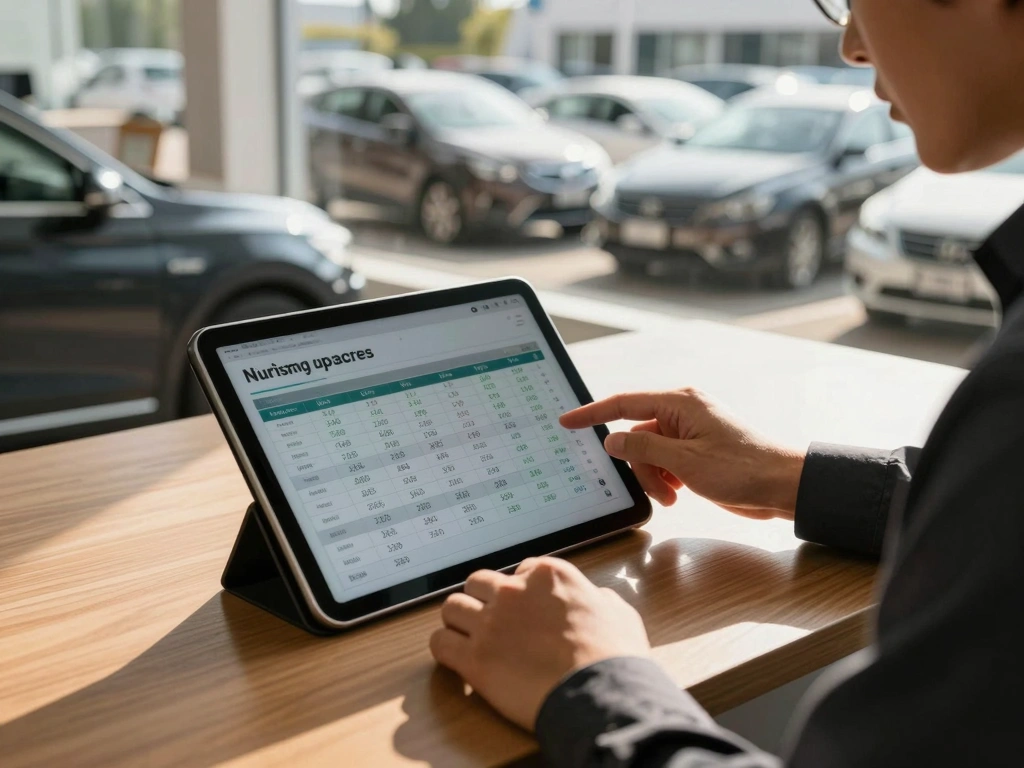
Technological advancements are also playing a crucial role in shaping wholesale pricing strategies. Dealerships are increasingly utilizing data analytics and artificial intelligence to predict market trends and adjust their pricing strategies accordingly. Software tools that analyze historical sales data, consumer preferences, and market conditions can provide dealers with insights that help optimize their wholesale purchasing decisions.
For example, a dealership using AI-driven pricing tools may identify an opportunity to acquire a specific model at a lower wholesale price during a seasonal dip, allowing them to resell it at a higher retail price when demand peaks.
Predictions for the Used Car Market Landscape
Looking ahead, the used car market is poised for significant changes driven by economic, technological, and social factors. Predictions suggest that as electric vehicles gain traction, the wholesale prices of traditional vehicles may decline, impacting retail pricing strategies. Additionally, the continued evolution of online car sales could lead to greater price transparency, forcing dealerships to adapt their markup strategies.
Moreover, as consumer preferences evolve and sustainability becomes a priority, retailers may need to focus on sourcing vehicles that align with eco-friendly values, further influencing wholesale and retail pricing dynamics.